
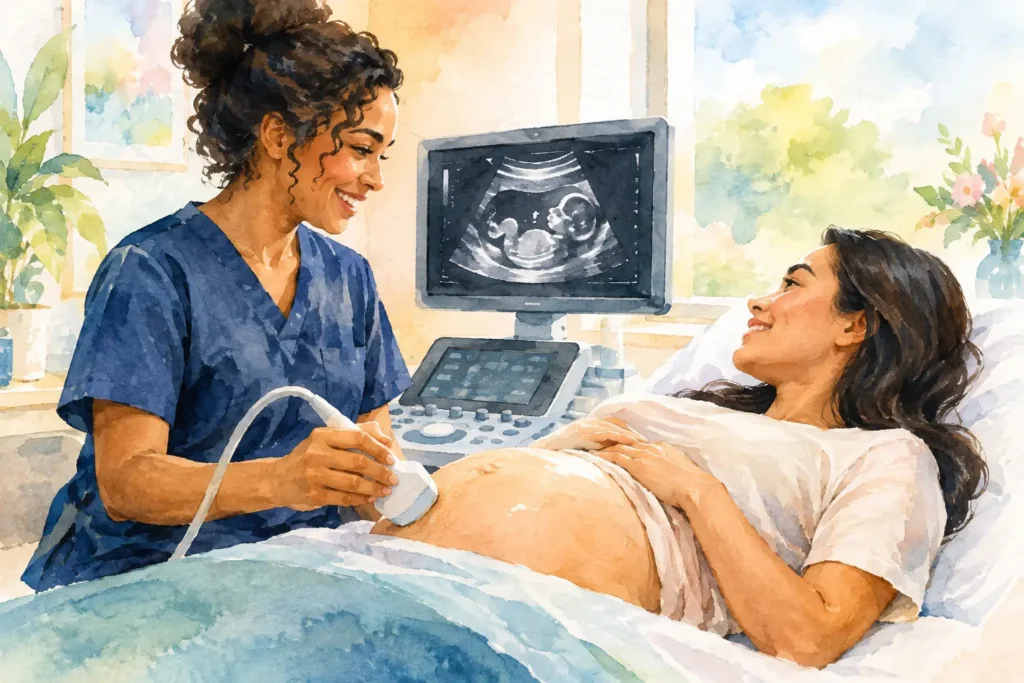
A wellbeing scan can turn a long wait between routine appointments into a moment of calm. Seeing your baby’s heartbeat, movements and position on screen can be deeply reassuring, particularly when pregnancy symptoms change or you simply want to check in. The best time for a wellbeing scan is usually from around 24 weeks onwards, when there is more to see and assess, but the right time also depends on what you hope to gain from the appointment.
At Miracle Scan, every pregnancy scan is carried out by qualified healthcare professionals in a caring clinical setting. The aim is not just to create a lovely memory, although that matters too. It is to offer clear, compassionate reassurance and appropriate guidance should anything need further attention.
The best time for a wellbeing scan in pregnancy
For most expectant parents, a wellbeing scan is particularly valuable between 24 and 40 weeks of pregnancy. By this stage, your baby’s heartbeat and movements can be clearly observed, and your sonographer can review key aspects of the pregnancy, such as your baby’s position, placental location and amniotic fluid around the baby.
Many families choose to book at around 28 to 32 weeks. Your baby is developed enough for a meaningful wellbeing check, while there is often still a good opportunity to see their features and movements. It can be a reassuring point in the third trimester, especially if your 20-week NHS scan now feels some time ago.
A scan later in pregnancy, from around 32 weeks onwards, can also be very helpful. At this stage, parents often want to know whether baby is head down, whether there is a healthy heartbeat and whether the baby appears comfortable in their environment. If you are planning a 4D bonding scan as well, the late second trimester to early third trimester may offer a lovely balance between detail and space around baby.
There is no single date that is right for every family. If you have been feeling anxious, are approaching an important milestone, or would simply value expert reassurance, booking earlier in this window may feel right. If you want to check baby’s position nearer your due date, a later appointment may be more useful.
What a wellbeing scan can check
A wellbeing scan is designed to provide a reassuring overview of how your baby is doing at the time of the appointment. Your sonographer will talk you through what can be seen, using clear language and allowing space for your questions.
Depending on gestation, your appointment may include an assessment of your baby’s heartbeat and visible movements, their position in the womb, the location of the placenta, and the amount of amniotic fluid surrounding them. Measurements may also be taken to give an estimate of growth. These estimates are useful clinical information, but they are not an exact prediction of your baby’s birth weight.
It is worth knowing that a scan cannot answer every question about a pregnancy. Baby’s position, the position of the placenta, your body shape and the amount of fluid around baby can all affect the images and what can be measured. A sonographer will always explain the findings honestly and sensitively, rather than offering false certainty.
If an observation requires further assessment, you will be advised about the most appropriate next step. This may mean contacting your NHS maternity team, GP or maternity triage, depending on the finding and your stage of pregnancy. Private reassurance scanning should work alongside, not replace, your routine antenatal care.
Is 28 weeks too early for a wellbeing scan?
Not at all. Around 28 weeks is often an excellent time for a wellbeing scan. Baby is usually active, their heartbeat and position can be reviewed, and there may still be enough room to enjoy clear views. For parents who have not seen their baby since the 20-week anatomy scan, this can be a particularly special and reassuring appointment.
At this stage, babies are also beginning to develop more visible facial features and expressions. While image quality can never be guaranteed, a wellbeing scan can combine the comfort of a clinical check with a precious opportunity to watch your baby stretch, yawn or move.
If your main priority is a check of presentation, such as whether baby is head down, you may prefer to book later. Babies can and do change position throughout pregnancy, so a position seen at 28 weeks may not be the position closer to birth.
Why parents book in the third trimester
The third trimester can bring excitement, impatience and understandable worries. Your bump may feel different from week to week, movements may feel stronger but change in character as space becomes tighter, and the reality of meeting your baby starts to feel close.
A wellbeing scan offers time with a qualified sonographer who can look carefully at what is visible and talk through the scan in a calm setting. It can be especially valuable for parents who would appreciate personalised attention, are unable to wait for a routine appointment, or would like loved ones to share in the experience.
That said, reassurance should never mean waiting when you have a concern. A planned private scan is not the right response to urgent symptoms or a significant change in your baby’s usual movement pattern.
When to contact your maternity team instead
Always trust your instincts. If your baby’s movements are reduced or different from their usual pattern, contact your maternity unit or triage service straight away. Do not wait for a private scan appointment, eat or drink something sweet to test movements, or wait until the next day.
You should also seek prompt advice from your maternity team if you have vaginal bleeding, waters that may have broken, severe or persistent abdominal pain, severe headache, visual disturbance, sudden swelling, chest pain, breathlessness, fever, or feel generally unwell. Your maternity team knows your medical history and can arrange the right assessment without delay.
A wellbeing scan is ideal for planned reassurance. Urgent symptoms need urgent maternity care. Both have an important place, and knowing the difference helps keep you and your baby safe.
How to choose the right appointment time
Think first about the question you would most like answered. If you want a general check-in and a chance to see baby move, 24 to 32 weeks is often a wonderful window. If you are curious about baby’s position or would like late-pregnancy reassurance, 32 weeks onwards may be more suitable.
Your own pregnancy journey matters too. If you have had previous loss, fertility treatment, a difficult pregnancy experience or heightened anxiety, there is no need to justify wanting more reassurance. Let the clinic know what is on your mind. A compassionate sonographer can explain the process before the scan begins and ensure you understand what is being seen throughout.
It can help to bring a partner, family member or friend if your clinic allows it and you would feel supported by having them there. You may want to wear comfortable clothing that allows easy access to your abdomen. A full bladder is not usually needed for a later pregnancy wellbeing scan, though your clinic will confirm any preparation requirements when you book.
A reassuring moment, supported by clinical care
The best wellbeing scans balance the emotional and the medical. You deserve the joy of witnessing your baby on screen, hearing their heartbeat and sharing the moment with the people closest to you. You also deserve care from professionals who understand the responsibility behind that reassurance.
Whether you book at 28 weeks for a treasured glimpse or later in pregnancy for a check on baby’s position, choose a time that gives you confidence and comfort. And if anything feels different before then, your maternity team is always the right first call. Every pregnancy brings questions – a caring, expert scan can help you meet the next few weeks feeling more connected, informed and reassured.